TikTok Talk
A fun and honest look at how TikTok really works for home studio owners, from battling the algorithm to finding followers one short video at a time.
Ian Gardner is a British-American broadcaster, voice artist and audio enthusiast, sharing years of experience building creative workflows from a modern home studio. He helps readers make smarter buying decisions across studio gear, production tools and home comforts for both inside and outside the workspace. Broadcasters, podcasters, voice artists, producers and digital creators will find guidance that supports high production values and efficient workflows for building a successful home studio business. Similar articles can be found in the business blog.
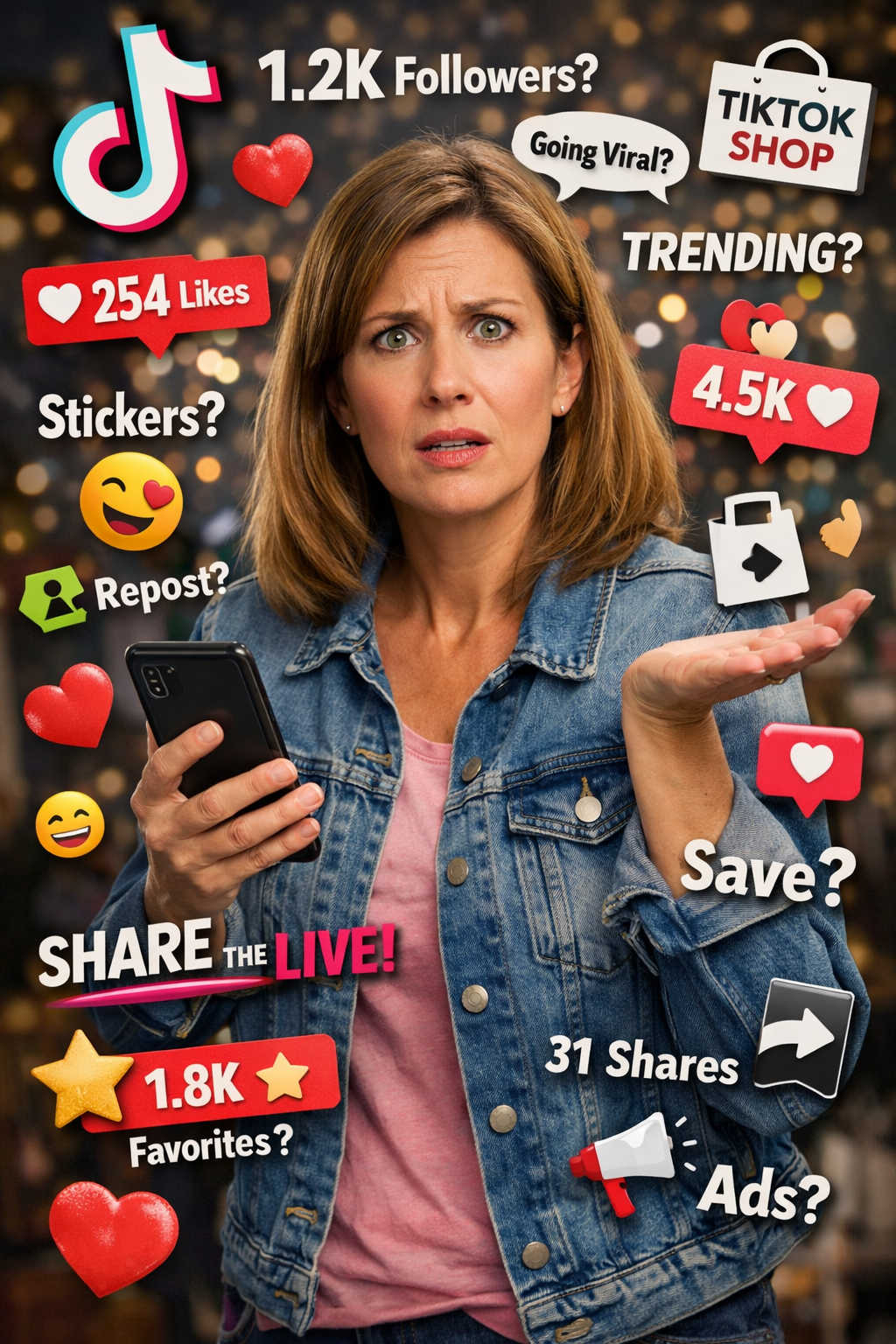
If you had told me a few years ago that home studio owners, craft moms, bedroom producers, podcasters, video nerds, and accidental influencers would all be competing for attention on the same vertical video app, I would have laughed and gone back to adjusting a mic stand. Yet here we are, living in the age of TikTok, where a 20 second clip of a messy desk, a half written song, or a shaky camera setup can outperform a polished studio demo. TikTok feels chaotic, funny, confusing, addictive, and occasionally magical, which makes it perfect for creators who like experimenting and showing what really happens behind the scenes.
At its core, TikTok is simple. You open the app, you swipe, you watch short videos, and eventually you post your own. The platform started in 2016 under the name Douyin in China and later merged with Musical.ly to become TikTok as we know it. It exploded because it made video creation frictionless. Anyone with a phone could record, trim, add music, slap on text, and publish without needing editing software or technical skills. For home studio owners and creators, that low barrier is gold. You can show your workflow, your latest project, a funny mistake, or a quick tip without overthinking production.
The algorithm is the real engine behind TikTok. Instead of relying heavily on who you follow, TikTok pushes content based on how people interact with each video. Watch time, replays, likes, comments, shares, and even how fast someone scrolls past all feed into what gets shown to the next batch of viewers. That means a brand new account can still go viral if the content connects. It also means the platform rewards authenticity and momentum more than perfection. A slightly rough clip filmed in your home studio can outperform a glossy video if it keeps people watching.
Posting frequency matters, but not in the way most people fear. You do not need to publish ten videos a day unless you enjoy living on caffeine and chaos. Consistency beats volume. For most creators, one to three posts per day or a few solid posts per week can work well. The key is giving the algorithm enough data to understand who likes your content and letting your audience get used to seeing you pop up regularly. TikTok is less about building a perfect brand and more about building familiarity and trust through repetition and personality.
Expectations are where many people get frustrated, especially older or less experienced users. You might post a video you love and get 12 views, while a throwaway clip of your cat walking through the studio gets 2,000. It feels random and unfair, and sometimes it is. TikTok is a fast moving test lab. Not every experiment wins. The trick is to treat each video as a small data point instead of a personal judgment. Try different angles, lengths, hooks, captions, and topics. Over time, patterns emerge, and your confidence grows.
I will admit that I found TikTok difficult at first. The interface felt noisy, trends moved faster than I could keep up with, and I kept wondering if anyone actually wanted to watch my studio gear 1 minute 2 know videos. What changed everything was joining live rooms regularly. Spending time in live sessions every night exposed me to how other creators communicate, how audiences react in real time, and how the community actually behaves. It also boosted my followers far more than quietly posting and hoping for the best. Lives create connection, visibility, and momentum that recorded posts alone sometimes struggle to generate.
For home studio owners, TikTok is a showcase platform disguised as entertainment. You can demonstrate lighting setups, camera angles, mic placement, editing tricks, sound design experiments, and even your creative failures. Craft moms can show process videos, time lapses, and finished pieces. Experts can teach quick tips, debunk myths, and answer common questions. Beginners can document learning journeys and invite others along for the ride. The diversity of skill levels is not a weakness. It is the ecosystem that keeps the feed interesting.
If you want to move beyond organic growth and start turning your content into real income, education matters. One resource worth checking out is TikTok Shop Affiliate: The Guide to Earning Big, which teaches creators how to monetize through affiliate products, craft TikToks that drive clicks and sales, and leverage trends without needing huge ad budgets. For home studio owners, craft moms, podcasters, or any creator looking to earn while sharing their process, understanding TikTok Shop Affiliate can accelerate results and transform casual content into a revenue-generating system. Think of it as upgrading from casual experimentation to strategic monetization. The link is below.
The biggest mindset shift with TikTok is letting go of perfection. Your home studio does not need to look like a magazine shoot. Your voice does not need broadcast polish. Your editing does not need cinematic flair. TikTok rewards relatability, speed, and clarity. Viewers want to feel like they are hanging out with a real person, not watching a commercial. If you can teach, entertain, or inspire in the first two seconds, you already have an edge.
Yes, there will be moments of confusion, frustration, and mild tech rage. Buttons move. Trends change. Audio disappears. Views spike and vanish. That is normal. Treat TikTok like a creative gym rather than a performance stage. Show up, try things, learn what works, laugh at what does not, and keep moving. Over time, your home studio becomes more than just a workspace. It becomes a story people enjoy following, one swipe at a time.
At its core, TikTok is simple. You open the app, you swipe, you watch short videos, and eventually you post your own. The platform started in 2016 under the name Douyin in China and later merged with Musical.ly to become TikTok as we know it. It exploded because it made video creation frictionless. Anyone with a phone could record, trim, add music, slap on text, and publish without needing editing software or technical skills. For home studio owners and creators, that low barrier is gold. You can show your workflow, your latest project, a funny mistake, or a quick tip without overthinking production.
The algorithm is the real engine behind TikTok. Instead of relying heavily on who you follow, TikTok pushes content based on how people interact with each video. Watch time, replays, likes, comments, shares, and even how fast someone scrolls past all feed into what gets shown to the next batch of viewers. That means a brand new account can still go viral if the content connects. It also means the platform rewards authenticity and momentum more than perfection. A slightly rough clip filmed in your home studio can outperform a glossy video if it keeps people watching.
Posting frequency matters, but not in the way most people fear. You do not need to publish ten videos a day unless you enjoy living on caffeine and chaos. Consistency beats volume. For most creators, one to three posts per day or a few solid posts per week can work well. The key is giving the algorithm enough data to understand who likes your content and letting your audience get used to seeing you pop up regularly. TikTok is less about building a perfect brand and more about building familiarity and trust through repetition and personality.
Expectations are where many people get frustrated, especially older or less experienced users. You might post a video you love and get 12 views, while a throwaway clip of your cat walking through the studio gets 2,000. It feels random and unfair, and sometimes it is. TikTok is a fast moving test lab. Not every experiment wins. The trick is to treat each video as a small data point instead of a personal judgment. Try different angles, lengths, hooks, captions, and topics. Over time, patterns emerge, and your confidence grows.
I will admit that I found TikTok difficult at first. The interface felt noisy, trends moved faster than I could keep up with, and I kept wondering if anyone actually wanted to watch my studio gear 1 minute 2 know videos. What changed everything was joining live rooms regularly. Spending time in live sessions every night exposed me to how other creators communicate, how audiences react in real time, and how the community actually behaves. It also boosted my followers far more than quietly posting and hoping for the best. Lives create connection, visibility, and momentum that recorded posts alone sometimes struggle to generate.
For home studio owners, TikTok is a showcase platform disguised as entertainment. You can demonstrate lighting setups, camera angles, mic placement, editing tricks, sound design experiments, and even your creative failures. Craft moms can show process videos, time lapses, and finished pieces. Experts can teach quick tips, debunk myths, and answer common questions. Beginners can document learning journeys and invite others along for the ride. The diversity of skill levels is not a weakness. It is the ecosystem that keeps the feed interesting.
If you want to move beyond organic growth and start turning your content into real income, education matters. One resource worth checking out is TikTok Shop Affiliate: The Guide to Earning Big, which teaches creators how to monetize through affiliate products, craft TikToks that drive clicks and sales, and leverage trends without needing huge ad budgets. For home studio owners, craft moms, podcasters, or any creator looking to earn while sharing their process, understanding TikTok Shop Affiliate can accelerate results and transform casual content into a revenue-generating system. Think of it as upgrading from casual experimentation to strategic monetization. The link is below.
The biggest mindset shift with TikTok is letting go of perfection. Your home studio does not need to look like a magazine shoot. Your voice does not need broadcast polish. Your editing does not need cinematic flair. TikTok rewards relatability, speed, and clarity. Viewers want to feel like they are hanging out with a real person, not watching a commercial. If you can teach, entertain, or inspire in the first two seconds, you already have an edge.
Yes, there will be moments of confusion, frustration, and mild tech rage. Buttons move. Trends change. Audio disappears. Views spike and vanish. That is normal. Treat TikTok like a creative gym rather than a performance stage. Show up, try things, learn what works, laugh at what does not, and keep moving. Over time, your home studio becomes more than just a workspace. It becomes a story people enjoy following, one swipe at a time.
You may purchase items mentioned in this article here. Affiliate links earn me a commission at no extra cost to you. Thanks for supporting IanGardner.com