The Ultimate Guide to TV Museums in the USA
Discover ten museums dedicated to television history, broadcast tech and media innovation.
Ian Gardner is a British-American broadcaster, voice artist and audio enthusiast, sharing years of experience building creative workflows from a modern home studio. He helps readers make smarter buying decisions across studio gear, production tools and home comforts for both inside and outside the workspace. Broadcasters, podcasters, voice artists, producers and digital creators will find guidance that supports high production values and efficient workflows for building a successful home studio business. Similar articles can be found in the televisions blog.
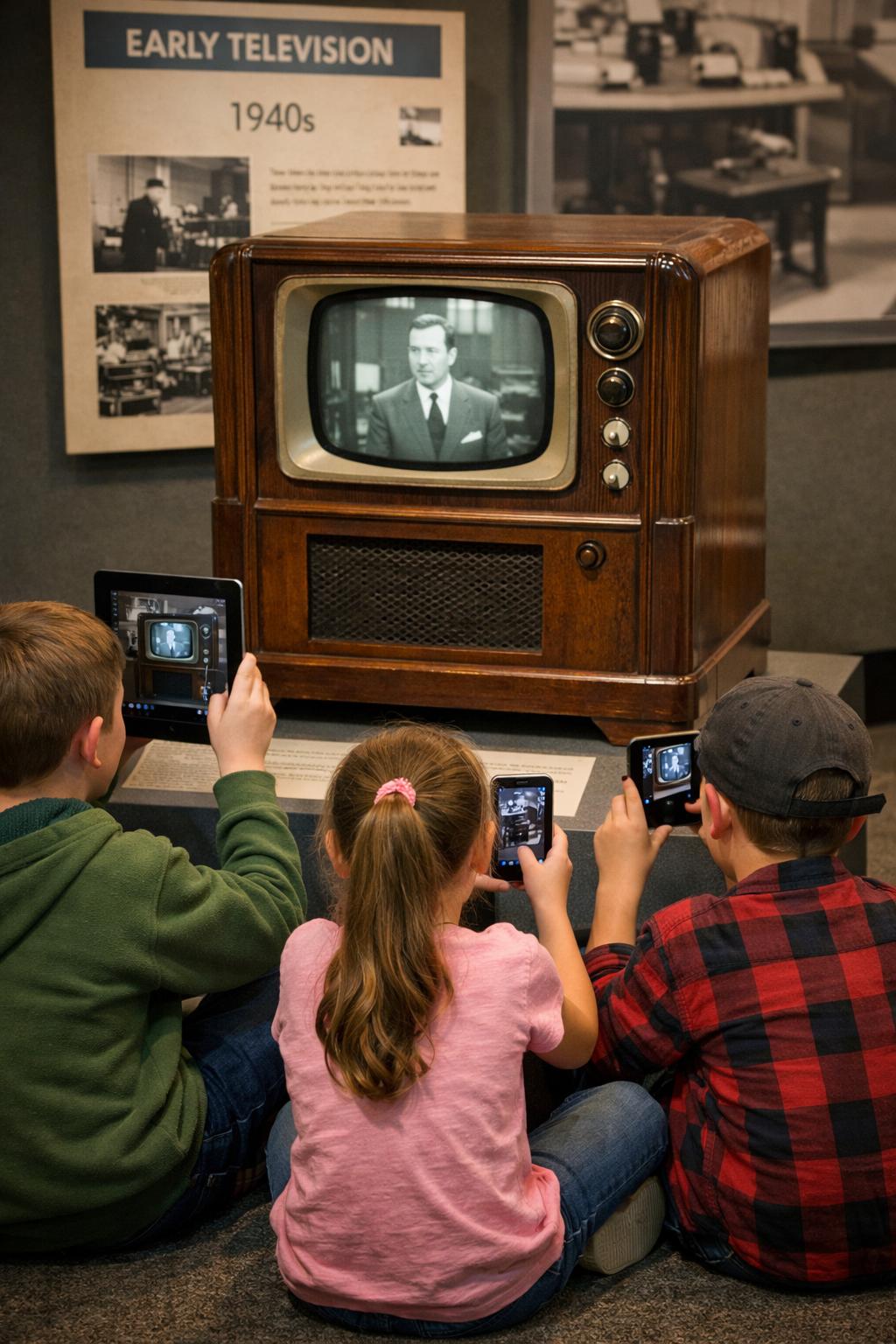
Television is one of those inventions that quietly took over our lives. It started as a fuzzy science experiment, became the centerpiece of the living room, and eventually turned into something we now watch on phones while standing in line for coffee. If you love TV history, broadcast tech, or just enjoy a hit of nostalgia, the USA has some excellent museums that celebrate how pictures and sound first made their way into our homes.
These museums are not just dusty rooms full of old boxes. They are packed with working equipment, iconic moments, and stories about how television evolved from spinning discs and rabbit ears into the streaming universe we know today. Whether you are a tech nerd, media student, or casual channel surfer, these stops are worth a visit.
1. The Paley Center for Media - New York, NY and Los Angeles, CA
The Paley Center is the gold standard for television history. Instead of just looking at old gear, you get to actually watch it. With access to a massive archive of TV shows, commercials, and broadcasts, this museum lets you dive straight into decades of media. One minute you are watching early black and white sitcoms, the next you are deep into classic news coverage. It feels less like a museum and more like the ultimate TV binge library, minus the guilt.
2. Museum of Broadcast Communications - Chicago, IL
Chicago has a deep broadcasting legacy, and this museum does an excellent job telling that story. Exhibits cover everything from early radio days to modern television, with a strong focus on the people behind the microphones and cameras. Expect vintage equipment, iconic show references, and timelines that explain how broadcasting shaped culture. It is informative without being stuffy, and perfect if you like your media history served with context and personality.
3. Early Television Museum - Hilliard, OH
This one is a must for anyone fascinated by how television actually worked before it worked well. The Early Television Museum focuses on mechanical and early electronic TVs, including spinning disc systems that look more like science experiments than entertainment devices. Many sets still function, which makes the experience even more impressive. It is niche, slightly nerdy, and incredibly charming. You will never complain about 4K compression again after visiting this place.
4. National Capital Radio & Television Museum - Bowie, MD
This museum covers both radio and television, showing how broadcast technology grew side by side. The exhibits include early receivers, studio equipment, and displays explaining how signals moved from towers to living rooms. It feels hands-on and personal, with volunteers who genuinely love the subject. This is a great stop if you enjoy understanding how everyday technology quietly changed communication forever.
5. Wisconsin Museum of Broadcasting - Madison, WI
The Wisconsin Museum of Broadcasting blends national TV history with strong local storytelling. It highlights broadcasters, stations, and shows that shaped regional media while connecting them to the bigger national picture. Expect studio gear, memorabilia, and plenty of familiar faces if you grew up watching Midwest television. It is a reminder that TV history is not just Hollywood and New York. Local stations mattered and still do.
6. Pavek Museum of Electronic Communication - St. Louis Park, MN
If you love knobs, dials, and glowing tubes, the Pavek Museum is pure joy. This museum, just 10 minutes from my home in Minneapolis, focuses heavily on the technology behind broadcasting, with an enormous collection of radios, televisions, and studio equipment. It bridges the gap between radio and TV beautifully, showing how one led directly to the other. Everything feels hands-on and enthusiast-driven, making it a favorite among engineers, hobbyists, and curious visitors alike. Since 2001, it has been home to the Minnesota Broadcasters Hall of Fame.
7. SPARK Museum of Electrical Invention - Bellingham, WA
SPARK is broader than television, but that is what makes it fun. The museum covers the history of electricity, communication, and invention, with television woven naturally into the story. Early broadcast gear, demonstrations, and interactive exhibits help explain how signals, power, and innovation collided to create modern media. It is educational without feeling academic, and perfect if you enjoy learning how things work rather than just when they appeared.
8. 20th Century Technology Museum - Wharton, TX
This museum celebrates everyday technology from the 1900s, including televisions and broadcast equipment that once defined home entertainment. It feels like walking into a very well-organized attic of American tech history. Old TV sets, consoles, and communication devices sit side by side, telling the story of how rapidly technology evolved. It is informal, approachable, and packed with items that instantly trigger memories.
9. Museum of the Moving Image - Queens, NY
While not strictly a TV museum, this place earns its spot. The Museum of the Moving Image covers film and television production in depth, from cameras and editing tools to costumes and sound design. You will learn how shows were made, not just how they were watched. Interactive exhibits let you experience the production side, making it a favorite for creators, editors, and anyone curious about how broadcast magic actually happens.
10. National Museum of Broadcasting - Pittsburgh, PA
Still developing, the National Museum of Broadcasting aims to celebrate Pittsburgh's role in early broadcast innovation. Even in its early stages, it highlights the region's contributions to radio and television history. It is one to watch, especially for those interested in how early engineering breakthroughs shaped modern media. Think of it as a museum in progress, much like television itself during its early years.
Final Thoughts
TV museums are about more than nostalgia. They remind us how quickly technology moves and how much creativity went into making pictures and sound travel across the air. From mechanical screens to streaming, broadcasting has always been a mix of engineering, storytelling, and a little bit of magic. If you find yourself near any of these museums, tune in, wander around, and enjoy the static-free version of television history.
These museums are not just dusty rooms full of old boxes. They are packed with working equipment, iconic moments, and stories about how television evolved from spinning discs and rabbit ears into the streaming universe we know today. Whether you are a tech nerd, media student, or casual channel surfer, these stops are worth a visit.
1. The Paley Center for Media - New York, NY and Los Angeles, CA
The Paley Center is the gold standard for television history. Instead of just looking at old gear, you get to actually watch it. With access to a massive archive of TV shows, commercials, and broadcasts, this museum lets you dive straight into decades of media. One minute you are watching early black and white sitcoms, the next you are deep into classic news coverage. It feels less like a museum and more like the ultimate TV binge library, minus the guilt.
2. Museum of Broadcast Communications - Chicago, IL
Chicago has a deep broadcasting legacy, and this museum does an excellent job telling that story. Exhibits cover everything from early radio days to modern television, with a strong focus on the people behind the microphones and cameras. Expect vintage equipment, iconic show references, and timelines that explain how broadcasting shaped culture. It is informative without being stuffy, and perfect if you like your media history served with context and personality.
3. Early Television Museum - Hilliard, OH
This one is a must for anyone fascinated by how television actually worked before it worked well. The Early Television Museum focuses on mechanical and early electronic TVs, including spinning disc systems that look more like science experiments than entertainment devices. Many sets still function, which makes the experience even more impressive. It is niche, slightly nerdy, and incredibly charming. You will never complain about 4K compression again after visiting this place.
4. National Capital Radio & Television Museum - Bowie, MD
This museum covers both radio and television, showing how broadcast technology grew side by side. The exhibits include early receivers, studio equipment, and displays explaining how signals moved from towers to living rooms. It feels hands-on and personal, with volunteers who genuinely love the subject. This is a great stop if you enjoy understanding how everyday technology quietly changed communication forever.
5. Wisconsin Museum of Broadcasting - Madison, WI
The Wisconsin Museum of Broadcasting blends national TV history with strong local storytelling. It highlights broadcasters, stations, and shows that shaped regional media while connecting them to the bigger national picture. Expect studio gear, memorabilia, and plenty of familiar faces if you grew up watching Midwest television. It is a reminder that TV history is not just Hollywood and New York. Local stations mattered and still do.
6. Pavek Museum of Electronic Communication - St. Louis Park, MN
If you love knobs, dials, and glowing tubes, the Pavek Museum is pure joy. This museum, just 10 minutes from my home in Minneapolis, focuses heavily on the technology behind broadcasting, with an enormous collection of radios, televisions, and studio equipment. It bridges the gap between radio and TV beautifully, showing how one led directly to the other. Everything feels hands-on and enthusiast-driven, making it a favorite among engineers, hobbyists, and curious visitors alike. Since 2001, it has been home to the Minnesota Broadcasters Hall of Fame.
7. SPARK Museum of Electrical Invention - Bellingham, WA
SPARK is broader than television, but that is what makes it fun. The museum covers the history of electricity, communication, and invention, with television woven naturally into the story. Early broadcast gear, demonstrations, and interactive exhibits help explain how signals, power, and innovation collided to create modern media. It is educational without feeling academic, and perfect if you enjoy learning how things work rather than just when they appeared.
8. 20th Century Technology Museum - Wharton, TX
This museum celebrates everyday technology from the 1900s, including televisions and broadcast equipment that once defined home entertainment. It feels like walking into a very well-organized attic of American tech history. Old TV sets, consoles, and communication devices sit side by side, telling the story of how rapidly technology evolved. It is informal, approachable, and packed with items that instantly trigger memories.
9. Museum of the Moving Image - Queens, NY
While not strictly a TV museum, this place earns its spot. The Museum of the Moving Image covers film and television production in depth, from cameras and editing tools to costumes and sound design. You will learn how shows were made, not just how they were watched. Interactive exhibits let you experience the production side, making it a favorite for creators, editors, and anyone curious about how broadcast magic actually happens.
10. National Museum of Broadcasting - Pittsburgh, PA
Still developing, the National Museum of Broadcasting aims to celebrate Pittsburgh's role in early broadcast innovation. Even in its early stages, it highlights the region's contributions to radio and television history. It is one to watch, especially for those interested in how early engineering breakthroughs shaped modern media. Think of it as a museum in progress, much like television itself during its early years.
Final Thoughts
TV museums are about more than nostalgia. They remind us how quickly technology moves and how much creativity went into making pictures and sound travel across the air. From mechanical screens to streaming, broadcasting has always been a mix of engineering, storytelling, and a little bit of magic. If you find yourself near any of these museums, tune in, wander around, and enjoy the static-free version of television history.
You may purchase items mentioned in this article here. Affiliate links earn me a commission at no extra cost to you. Thanks for supporting IanGardner.com