Speak Easy
From warming up your vocal cords to mic placement, discover how to make every voice over take sound flawless.
Ian Gardner is a British-American broadcaster, voice artist and audio enthusiast, sharing years of experience building creative workflows from a modern home studio. He helps readers make smarter buying decisions across studio gear, production tools and home comforts for both inside and outside the workspace. Broadcasters, podcasters, voice artists, producers and digital creators will find guidance that supports high production values and efficient workflows for building a successful home studio business. Similar articles can be found in the microphones blog.
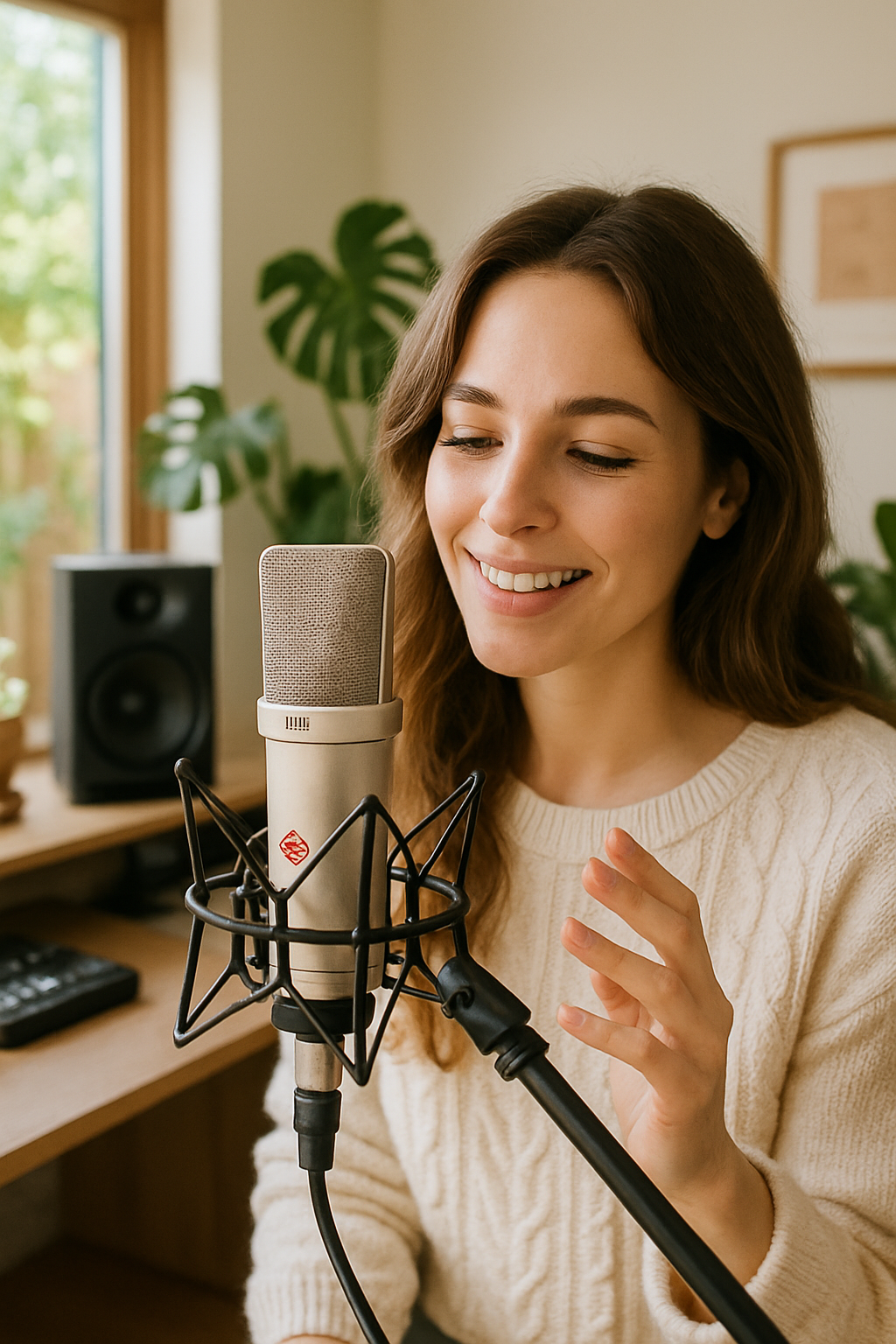
So you want to nail that voice over - the kind that makes listeners stop scrolling and actually pay attention. First things first - your vocal cords are the instruments, and like any instrument, they need to be warmed up. Simple humming, lip trills, and tongue twisters are your best friends here. Don't skip this part - even seasoned pros spend five minutes getting their voices limber before pressing record.
Next up is reading the script. But don't just skim it - understand it. Who is this for? A kid watching an animated cartoon? A busy executive listening to a corporate explainer? Your audience will determine your tone, pacing, and energy. Decide early if you need a friendly, authoritative, dramatic, or quirky vibe. The type of voice needed will guide everything from inflection to breath control.
Now let's talk mic placement and mouth position. A good rule of thumb is about six to twelve inches from the mic, angled slightly off-axis to avoid harsh plosives. Keep your mouth relaxed and avoid clipping your words directly into the microphone. Every click, pop, or sibilant 's' can make an otherwise perfect take sound amateurish. A pop filter is your ally - simple, inexpensive, and a lifesaver.
Avoiding clicks and pops also means paying attention to your own habits. Lip smacks, swallowing, and hard consonants can ruin a take. Record in a quiet space, free of ambient noises, and remember - even your breathing can become part of the track if you're not careful. Some voice over artists practice breathing patterns to make exhalations less noticeable.
Then comes the big question - self-recording vs producer-led sessions. If you're doing it yourself, make sure your recording setup is solid. A decent condenser mic, audio interface, and a quiet room are minimum requirements. Producer-led sessions can be more forgiving - they can give direction, catch small errors, and guide performance nuances. Both have their place, but knowing the difference helps you prep mentally for the session.
Once recording starts, don't just race through the script. Pace yourself. Take breaks to keep your voice fresh, especially during long sessions. Keep water nearby, ideally at room temperature. Avoid dairy or sugary drinks right before recording - they can coat your throat and make pronunciation tricky.
Cleaning up audio is the final step in turning raw voice over into something professional. This isn't just about removing mistakes - it's about subtle EQ adjustments, noise reduction, and leveling the audio for consistent volume. Clicks and pops that slipped through can often be edited out, but prevention is always better than repair. If you've set up your mic and environment properly, cleanup is minimal, letting your performance shine.
Remember - preparation is half the battle. Practicing your delivery, understanding the script, warming up your voice, and setting up the recording space all add up to a professional result. Your mic will capture exactly what you feed it, so feed it confidence, clarity, and the right energy.
Voice over secrets aren't really secrets at all - they're habits. Habits of preparation, attention to detail, and consistency. Nail these, and every session will sound polished, every script will feel alive, and you'll sound like you know exactly what you're doing - even if you're still learning.
Next up is reading the script. But don't just skim it - understand it. Who is this for? A kid watching an animated cartoon? A busy executive listening to a corporate explainer? Your audience will determine your tone, pacing, and energy. Decide early if you need a friendly, authoritative, dramatic, or quirky vibe. The type of voice needed will guide everything from inflection to breath control.
Now let's talk mic placement and mouth position. A good rule of thumb is about six to twelve inches from the mic, angled slightly off-axis to avoid harsh plosives. Keep your mouth relaxed and avoid clipping your words directly into the microphone. Every click, pop, or sibilant 's' can make an otherwise perfect take sound amateurish. A pop filter is your ally - simple, inexpensive, and a lifesaver.
Avoiding clicks and pops also means paying attention to your own habits. Lip smacks, swallowing, and hard consonants can ruin a take. Record in a quiet space, free of ambient noises, and remember - even your breathing can become part of the track if you're not careful. Some voice over artists practice breathing patterns to make exhalations less noticeable.
Then comes the big question - self-recording vs producer-led sessions. If you're doing it yourself, make sure your recording setup is solid. A decent condenser mic, audio interface, and a quiet room are minimum requirements. Producer-led sessions can be more forgiving - they can give direction, catch small errors, and guide performance nuances. Both have their place, but knowing the difference helps you prep mentally for the session.
Once recording starts, don't just race through the script. Pace yourself. Take breaks to keep your voice fresh, especially during long sessions. Keep water nearby, ideally at room temperature. Avoid dairy or sugary drinks right before recording - they can coat your throat and make pronunciation tricky.
Cleaning up audio is the final step in turning raw voice over into something professional. This isn't just about removing mistakes - it's about subtle EQ adjustments, noise reduction, and leveling the audio for consistent volume. Clicks and pops that slipped through can often be edited out, but prevention is always better than repair. If you've set up your mic and environment properly, cleanup is minimal, letting your performance shine.
Remember - preparation is half the battle. Practicing your delivery, understanding the script, warming up your voice, and setting up the recording space all add up to a professional result. Your mic will capture exactly what you feed it, so feed it confidence, clarity, and the right energy.
Voice over secrets aren't really secrets at all - they're habits. Habits of preparation, attention to detail, and consistency. Nail these, and every session will sound polished, every script will feel alive, and you'll sound like you know exactly what you're doing - even if you're still learning.
You may purchase items mentioned in this article here. Affiliate links earn me a commission at no extra cost to you. Thanks for supporting IanGardner.com