Sounding Great without the Wallet Ache
The best microphones for podcasting under $200 are easier to choose than you think - and these models give you standout audio without overspending.
Ian Gardner is a British-American broadcaster, voice artist and audio enthusiast, sharing years of experience building creative workflows from a modern home studio. He helps readers make smarter buying decisions across studio gear, production tools and home comforts for both inside and outside the workspace. Broadcasters, podcasters, voice artists, producers and digital creators will find guidance that supports high production values and efficient workflows for building a successful home studio business. Similar articles can be found in the microphones blog.
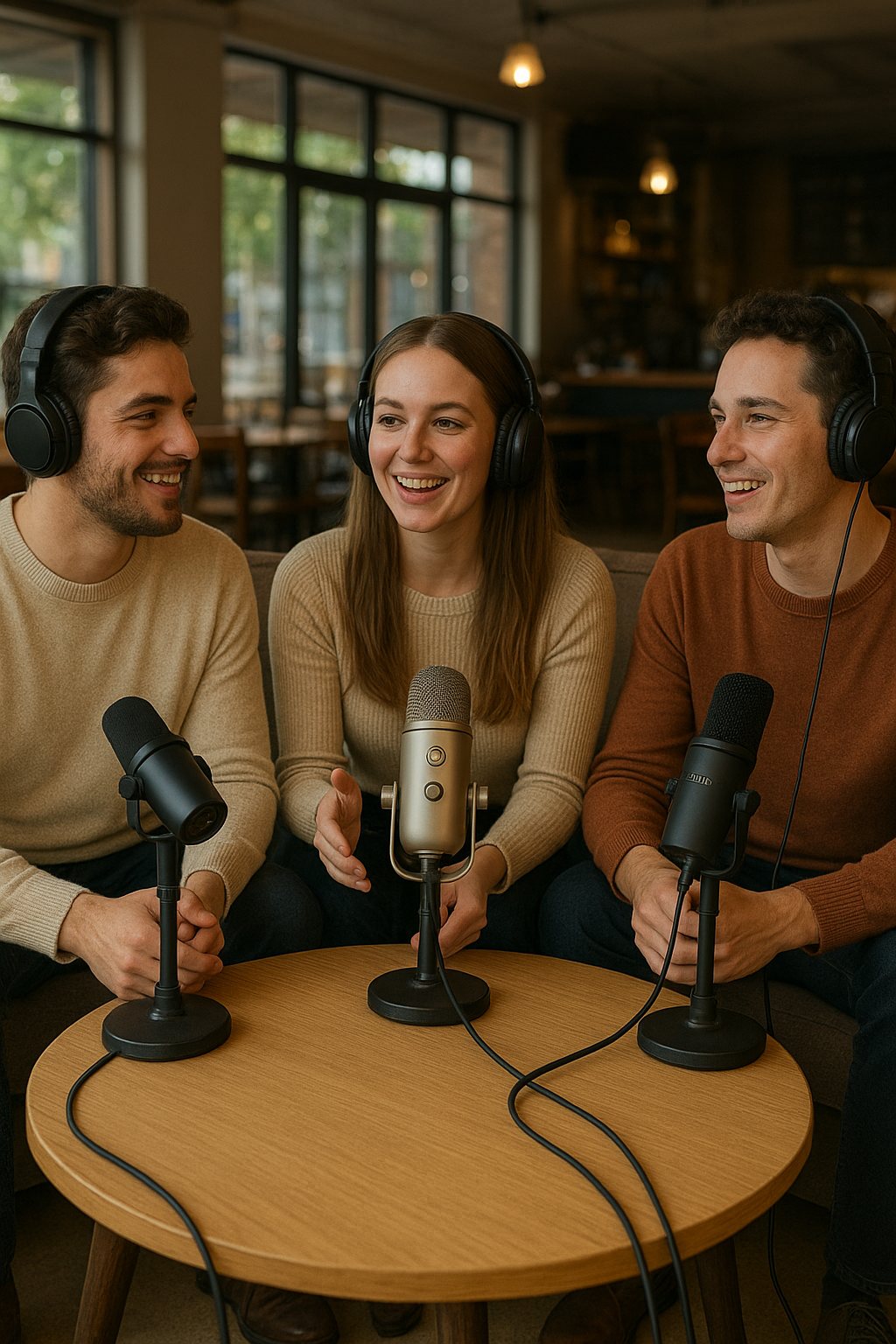
If you are building a podcast on a tight budget you already know the secret truth that every creator eventually discovers - the microphone you choose does more for your sound than almost anything else. The good news is that you can get broadcast ready results for under 200 dollars if you pick the right tool for your space and your skill level. Whether you are a new host, a non techy creative, or a budget conscious pro, this list keeps things simple, practical and fun.
The first mic that always pops up in budget friendly conversations is the Logitech Blue Yeti USB. People love it because it is the definition of plug and play - you literally plug it into your laptop and start recording within seconds. No interface, no cables, no guesswork. The Yeti gives you multiple pickup patterns so you can switch between solo voice work, two person interviews or even a group chat around a table. Its sound is solid, present and warm for spoken word and its ease of use makes it perfect for hosts who do not want to learn audio engineering just to say hello on the internet.
Next is the Shure MV7X XLR which is quickly becoming the budget hero for podcasters who want that classic broadcast style dynamic mic pairing without the cost of something like the Shure SM7B. The MV7X connects via XLR so you will need an audio interface - but the reward is a robust, focused sound that rejects room noise better than most beginner friendly options. If you record in a bedroom, a kitchen or any noisy home environment the MV7X is a smart pick because it keeps your voice clean while ignoring much of the chaos happening around you. It is also simple - no switches, no menus, just plug into your interface and talk.
Then there is the Rode NT1 which frequently sits right around the 200 dollar mark and is one of the quietest condenser microphones on the planet. The NT1 is not the best choice for noisy rooms because condensers are more sensitive, but if your space is treated with panels, rugs or even a well placed blanket then the NT1 rewards you with stunning clarity. It is rich, natural and detailed which is great if you want that crisp studio sound or if you create podcasts with music, ambience or storytelling layers. For creators who value nuance over noise rejection the NT1 is a strong contender.
Before picking any mic you should consider your environment. If your space echoes or if street noise and AC hum sneak into your recordings then a dynamic mic like the Shure MV7X will always be more forgiving. If your room sounds good and you have taken the time to tame reflections then a condenser like the Rode NT1 can give you more detail and sparkle. If you want simplicity above all else the Blue Yeti USB eliminates the entire XLR and interface learning curve.
Budget podcasting is not about buying the cheapest mic - it is about buying the right mic for your workflow. A simple USB option is often better than a fancy setup you do not know how to use. A dynamic mic might beat a condenser simply because it handles real life noise better. And a treated room can turn an affordable condenser into a secret weapon for voice work.
In the end your best mic under 200 dollars depends on who you are. If you want total simplicity choose the Blue Yeti. If you want noise rejection and classic podcast tone choose the Shure SM7B. If you want clean studio clarity and you have a quiet treated room choose the Rode NT1. No matter which you pick you can sound professional, confident and creative without spending beyond your comfort zone. And that is the real mic drop moment.
The first mic that always pops up in budget friendly conversations is the Logitech Blue Yeti USB. People love it because it is the definition of plug and play - you literally plug it into your laptop and start recording within seconds. No interface, no cables, no guesswork. The Yeti gives you multiple pickup patterns so you can switch between solo voice work, two person interviews or even a group chat around a table. Its sound is solid, present and warm for spoken word and its ease of use makes it perfect for hosts who do not want to learn audio engineering just to say hello on the internet.
Next is the Shure MV7X XLR which is quickly becoming the budget hero for podcasters who want that classic broadcast style dynamic mic pairing without the cost of something like the Shure SM7B. The MV7X connects via XLR so you will need an audio interface - but the reward is a robust, focused sound that rejects room noise better than most beginner friendly options. If you record in a bedroom, a kitchen or any noisy home environment the MV7X is a smart pick because it keeps your voice clean while ignoring much of the chaos happening around you. It is also simple - no switches, no menus, just plug into your interface and talk.
Then there is the Rode NT1 which frequently sits right around the 200 dollar mark and is one of the quietest condenser microphones on the planet. The NT1 is not the best choice for noisy rooms because condensers are more sensitive, but if your space is treated with panels, rugs or even a well placed blanket then the NT1 rewards you with stunning clarity. It is rich, natural and detailed which is great if you want that crisp studio sound or if you create podcasts with music, ambience or storytelling layers. For creators who value nuance over noise rejection the NT1 is a strong contender.
Before picking any mic you should consider your environment. If your space echoes or if street noise and AC hum sneak into your recordings then a dynamic mic like the Shure MV7X will always be more forgiving. If your room sounds good and you have taken the time to tame reflections then a condenser like the Rode NT1 can give you more detail and sparkle. If you want simplicity above all else the Blue Yeti USB eliminates the entire XLR and interface learning curve.
Budget podcasting is not about buying the cheapest mic - it is about buying the right mic for your workflow. A simple USB option is often better than a fancy setup you do not know how to use. A dynamic mic might beat a condenser simply because it handles real life noise better. And a treated room can turn an affordable condenser into a secret weapon for voice work.
In the end your best mic under 200 dollars depends on who you are. If you want total simplicity choose the Blue Yeti. If you want noise rejection and classic podcast tone choose the Shure SM7B. If you want clean studio clarity and you have a quiet treated room choose the Rode NT1. No matter which you pick you can sound professional, confident and creative without spending beyond your comfort zone. And that is the real mic drop moment.
You may purchase items mentioned in this article here. Affiliate links earn me a commission at no extra cost to you. Thanks for supporting IanGardner.com