Remote Voice Direction
Discover how platforms like Source-Connect, ipDTL, Zoom and more enable professional remote voice direction, helping talent deliver flawless performances from anywhere.
Ian Gardner is a British-American broadcaster, voice artist and audio enthusiast, sharing years of experience building creative workflows from a modern home studio. He helps readers make smarter buying decisions across studio gear, production tools and home comforts for both inside and outside the workspace. Broadcasters, podcasters, voice artists, producers and digital creators will find guidance that supports high production values and efficient workflows for building a successful home studio business. Similar articles can be found in the studio-essentials blog.
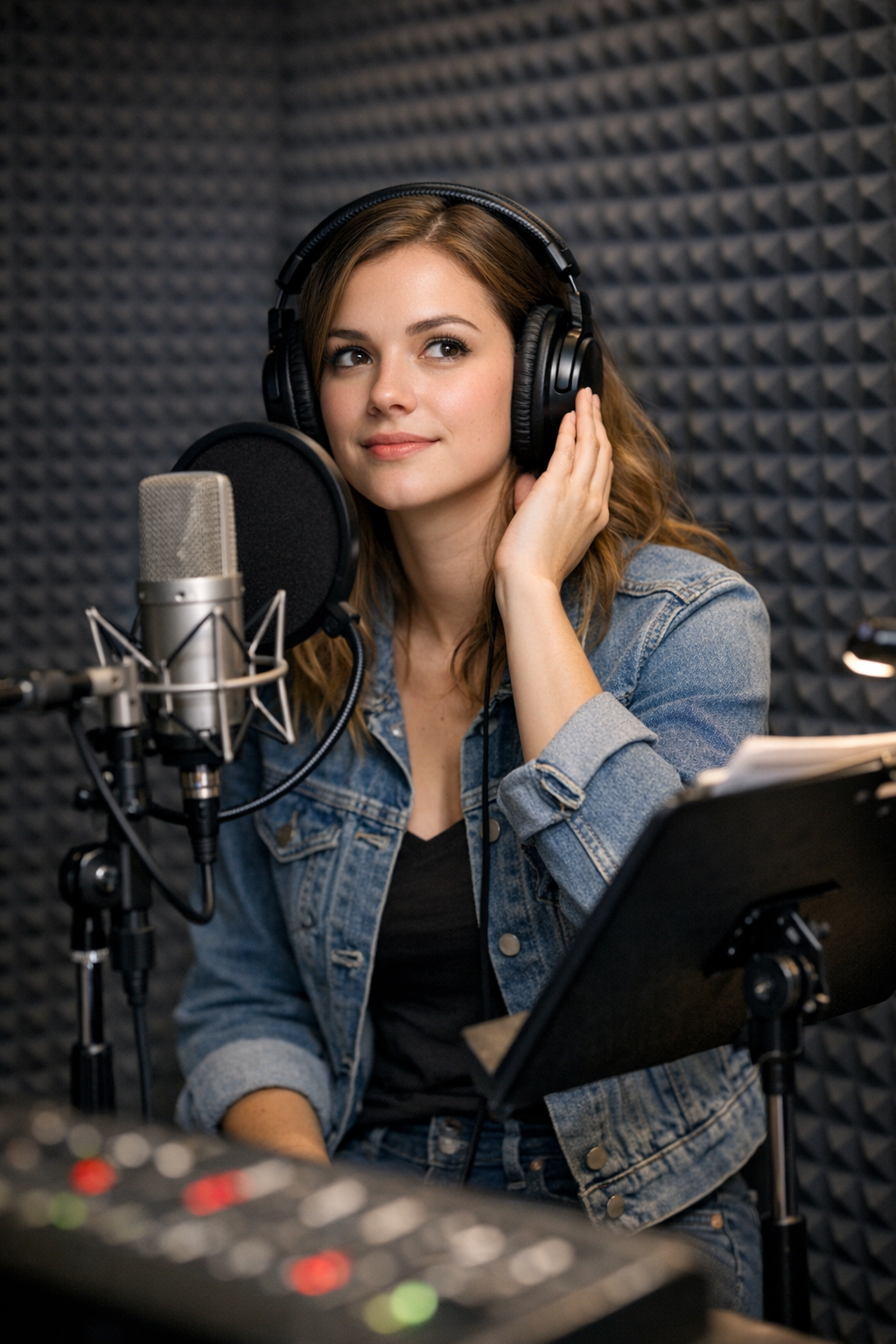
Remote voice direction in a home studio is one of those luxuries that once felt like science fiction - suddenly your bedroom or closet is transformed into a professional booth, and someone with years of experience can guide your performance without ever stepping foot in your space. The first thing to understand is that having a producer or director on the other end is like having a co-pilot. They catch the nuances you might miss, suggest tweaks, and keep the energy alive. Self-producing is great for experimentation, but remote guidance often saves time, elevates quality, and stops you from falling in love with takes that secretly need work. Now, let's dive into some of the ways you can get that magic from afar.
Phone Patch - The humble phone patch might seem basic, but it has survived decades for a reason. It literally patches a phone line into a studio console, letting a director listen in real-time. The audio isn't hi-fi, but for basic direction, timing, and performance cues, it works surprisingly well. It's like having a friendly neighbor giving you pointers while you record, and it keeps things low-stress. For a home studio, it requires minimal tech investment, just a good phone connection and a patient director.
Source Connect - Source Connect is like the Ferrari of remote voice direction. Built specifically for studios, it delivers crystal-clear, low-latency audio that feels almost like the director is sitting right next to you. It does require software and sometimes a bit of setup, but the payoff is immediate - you can do full sessions, monitor takes together, and even handle edits in real-time. For home studios, it means you can play in the big leagues without leaving your apartment, and your sessions sound like they were tracked in a major studio.
ipDTL - ipDTL has carved out a niche for high-quality, low-latency remote sessions that run right in your browser or through a dedicated app. It's great because you don't need a ton of hardware, and it can handle everything from voiceovers to music overdubs. The sound quality is excellent, often rivaling more expensive setups, and it's surprisingly forgiving if your internet isn't perfect. For home studios, ipDTL is like a Swiss army knife - versatile, reliable, and perfect when you need the director to give real-time notes without fuss.
ISDN - Ah, ISDN, the grand old king of remote audio. Once upon a time, this was the gold standard for connecting studios over long distances. It delivered incredibly reliable audio with minimal latency, and producers loved it. But ISDN lines are expensive, setup is complex, and the internet came along and basically stole its crown. Nowadays, you rarely see ISDN in new studios, though some legacy systems still exist. For home studios, it's mostly a historical curiosity, but understanding its role helps appreciate how far remote direction has come.
Zoom/Google Meet/MS Teams - Everyone has probably tried Zoom, Meet, or Teams at least once, and yes, they can work for remote direction. The big advantage is accessibility - your director is literally a click away, and you don't need any fancy setup. The drawback is audio quality - these platforms compress sound, so subtle vocal nuances might be lost. Still, for rehearsal, timing, and general direction, they're a practical choice, especially if you're coordinating with a client or team who just want a quick, live check-in without thinking about studio protocols.
Cleanfeed - Cleanfeed is a gem for home studios because it delivers high-quality audio over the internet with minimal fuss. It runs in a browser and is designed for live, real-time direction, making it perfect for voiceover sessions, podcasts, or collaborative music projects. Its interface is clean and easy to use, and it can even handle multiple participants without complicated routing. For home studio owners, Cleanfeed feels professional without being intimidating, and it's a great way to get those expert notes without leaving your desk or sacrificing audio fidelity.
Source-Nexus Free - Source-Nexus Free is another home studio-friendly option that lets you connect remotely with high-quality audio. It's essentially a free version of the Source-Nexus platform, which is already built to integrate with professional studio software. The audio is solid, latency is low, and setup is fairly simple. For someone running a home studio, it's like having a mini virtual studio session - the director can hear everything clearly, provide feedback, and even tweak session parameters if needed. It's a surprisingly powerful tool, especially when budgets are tight or when experimenting with remote production workflows.
Remote voice direction doesn't have to be complicated or intimidating. Whether you're patching a phone line, jumping on Zoom, or firing up ipDTL, each method offers a way to get professional feedback without leaving your home studio. The key is understanding what you need - whether it's simplicity, high fidelity, or real-time collaboration - and picking the right tool for your session. Home studios today are more connected than ever, and with these tools, you can elevate your recordings to a level that would have felt impossible a few decades ago. Embrace the flexibility, have fun with the process, and remember that the best takes often happen when someone on the other end is cheering you on and nudging you just the right way - even if it's through a screen. Remote direction may not replace the vibe of an in-person studio, but it's a game-changer for anyone serious about quality recordings from the comfort of home. So plug in, log on, and let your next session be guided by someone who's as invested in your performance as you are, without the commute, the coffee spill worries, or the awkward elevator small talk. Home studio, big results, all thanks to the magic of remote voice direction.
Phone Patch - The humble phone patch might seem basic, but it has survived decades for a reason. It literally patches a phone line into a studio console, letting a director listen in real-time. The audio isn't hi-fi, but for basic direction, timing, and performance cues, it works surprisingly well. It's like having a friendly neighbor giving you pointers while you record, and it keeps things low-stress. For a home studio, it requires minimal tech investment, just a good phone connection and a patient director.
Source Connect - Source Connect is like the Ferrari of remote voice direction. Built specifically for studios, it delivers crystal-clear, low-latency audio that feels almost like the director is sitting right next to you. It does require software and sometimes a bit of setup, but the payoff is immediate - you can do full sessions, monitor takes together, and even handle edits in real-time. For home studios, it means you can play in the big leagues without leaving your apartment, and your sessions sound like they were tracked in a major studio.
ipDTL - ipDTL has carved out a niche for high-quality, low-latency remote sessions that run right in your browser or through a dedicated app. It's great because you don't need a ton of hardware, and it can handle everything from voiceovers to music overdubs. The sound quality is excellent, often rivaling more expensive setups, and it's surprisingly forgiving if your internet isn't perfect. For home studios, ipDTL is like a Swiss army knife - versatile, reliable, and perfect when you need the director to give real-time notes without fuss.
ISDN - Ah, ISDN, the grand old king of remote audio. Once upon a time, this was the gold standard for connecting studios over long distances. It delivered incredibly reliable audio with minimal latency, and producers loved it. But ISDN lines are expensive, setup is complex, and the internet came along and basically stole its crown. Nowadays, you rarely see ISDN in new studios, though some legacy systems still exist. For home studios, it's mostly a historical curiosity, but understanding its role helps appreciate how far remote direction has come.
Zoom/Google Meet/MS Teams - Everyone has probably tried Zoom, Meet, or Teams at least once, and yes, they can work for remote direction. The big advantage is accessibility - your director is literally a click away, and you don't need any fancy setup. The drawback is audio quality - these platforms compress sound, so subtle vocal nuances might be lost. Still, for rehearsal, timing, and general direction, they're a practical choice, especially if you're coordinating with a client or team who just want a quick, live check-in without thinking about studio protocols.
Cleanfeed - Cleanfeed is a gem for home studios because it delivers high-quality audio over the internet with minimal fuss. It runs in a browser and is designed for live, real-time direction, making it perfect for voiceover sessions, podcasts, or collaborative music projects. Its interface is clean and easy to use, and it can even handle multiple participants without complicated routing. For home studio owners, Cleanfeed feels professional without being intimidating, and it's a great way to get those expert notes without leaving your desk or sacrificing audio fidelity.
Source-Nexus Free - Source-Nexus Free is another home studio-friendly option that lets you connect remotely with high-quality audio. It's essentially a free version of the Source-Nexus platform, which is already built to integrate with professional studio software. The audio is solid, latency is low, and setup is fairly simple. For someone running a home studio, it's like having a mini virtual studio session - the director can hear everything clearly, provide feedback, and even tweak session parameters if needed. It's a surprisingly powerful tool, especially when budgets are tight or when experimenting with remote production workflows.
Remote voice direction doesn't have to be complicated or intimidating. Whether you're patching a phone line, jumping on Zoom, or firing up ipDTL, each method offers a way to get professional feedback without leaving your home studio. The key is understanding what you need - whether it's simplicity, high fidelity, or real-time collaboration - and picking the right tool for your session. Home studios today are more connected than ever, and with these tools, you can elevate your recordings to a level that would have felt impossible a few decades ago. Embrace the flexibility, have fun with the process, and remember that the best takes often happen when someone on the other end is cheering you on and nudging you just the right way - even if it's through a screen. Remote direction may not replace the vibe of an in-person studio, but it's a game-changer for anyone serious about quality recordings from the comfort of home. So plug in, log on, and let your next session be guided by someone who's as invested in your performance as you are, without the commute, the coffee spill worries, or the awkward elevator small talk. Home studio, big results, all thanks to the magic of remote voice direction.
You may purchase items mentioned in this article here. Affiliate links earn me a commission at no extra cost to you. Thanks for supporting IanGardner.com