How Electronic Program Guides Work
The EPG is how your TV always knows what's on. Discover the hidden tech and history behind Electronic Program Guides.
Ian Gardner is a British-American broadcaster, voice artist and audio enthusiast, sharing years of experience building creative workflows from a modern home studio. He helps readers make smarter buying decisions across studio gear, production tools and home comforts for both inside and outside the workspace. Broadcasters, podcasters, voice artists, producers and digital creators will find guidance that supports high production values and efficient workflows for building a successful home studio business. Similar articles can be found in the televisions blog.
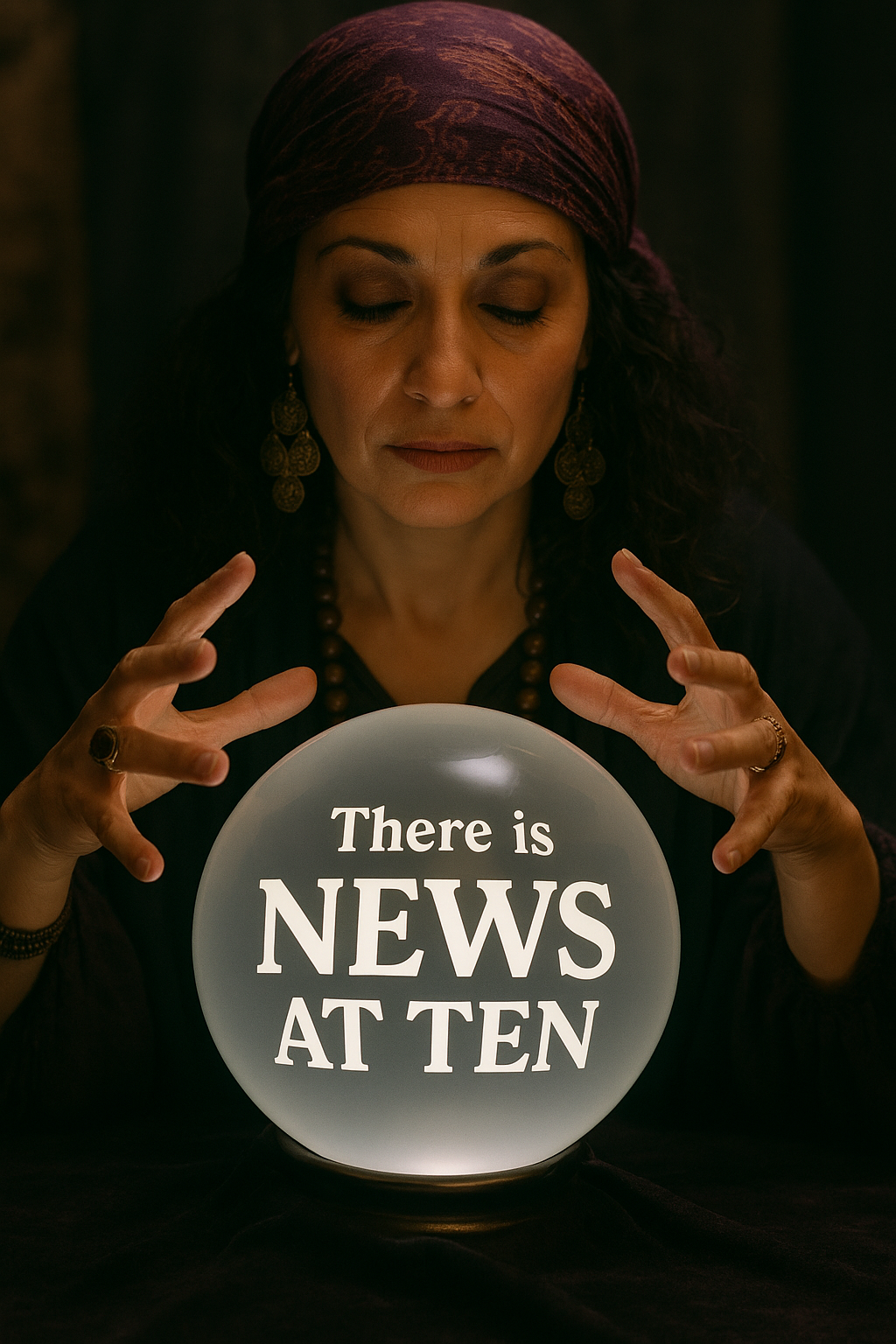
Have you ever found yourself staring at the TV, remote in hand, wondering what on earth is actually on? That magic little interface that tells you whats coming up next, what time your favorite sitcom airs, or even when that movie marathon starts - that, my friends, is the Electronic Program Guide, or EPG for short. It seems simple, almost obvious, but behind that grid of shows lies a fascinating mix of history, technology, and a bit of wizardry that lets our TVs know what we want to watch before we even realize it.
The story of the EPG begins in 1981. That was the year the first commercial electronic program guide appeared on cable TV in the United States. Before that, people actually had to rely on printed TV guides, newspaper listings, or just sheer luck to catch their favorite shows. Imagine that - flipping pages frantically to see if your beloved soap opera was on or hoping you caught the listing for that new sci-fi show. The EPG changed everything. Suddenly, the TV itself could tell you what was on and when, in real time. It was like having a tiny personal assistant built right into your set.
So how did this magic happen back in 1981? Well, early EPGs were fairly primitive by today's standards. They often consisted of a single channel that cycled through listings for the next 24 or 48 hours. Data was transmitted over the cable signal itself using what was essentially a slow data channel embedded in the broadcast. TVs with the right decoder could pick up this data, display it as a scrolling guide, and let viewers navigate through upcoming shows. It was slow, it was clunky, but it worked - and it laid the groundwork for everything that came next.
As technology evolved, so did the sophistication of EPGs. By the mid-1990s, set-top boxes had become more common and cable companies started sending richer program data. The EPG now included metadata - information about shows beyond just title and time. This could include episode numbers, genres, cast members, parental ratings, even short descriptions. Suddenly, viewers could browse shows not just by when they aired, but by what type of content they wanted to see. Want a comedy tonight? Scroll to the comedy section. Looking for something kid-friendly? There was a filter for that too. This was the start of the interactive TV experience that we take for granted today.
So where does all this information live? How does your TV magically know what to display at any given moment? That comes down to the way metadata is stored and transmitted. Each show has a set of structured data - think of it like a digital business card for the program. It has fields for the title, description, start time, end time, rating, and other attributes. In modern systems, this metadata is often encoded in XML or JSON format and transmitted alongside the video signal or via an internet connection. Cable and satellite providers also maintain massive databases with this information, which are constantly updated to reflect schedule changes, new programs, or special events.
Transmission itself can vary depending on the type of service. Traditional cable systems often embed EPG data in the vertical blanking interval of the TV signal or in a dedicated digital data channel. Satellite providers use similar methods but often rely on digital broadcast streams, sending metadata in packets alongside the video. IPTV and streaming platforms take a slightly different approach, pulling metadata directly from cloud servers using internet protocols. This allows for real-time updates and even personalized guides that suggest shows based on viewing habits.
Updating the EPG is an ongoing challenge. TV schedules are never set in stone. Shows get delayed, sporting events run long, and networks occasionally change their lineup at the last minute. To deal with this, metadata is constantly refreshed. Cable boxes and smart TVs typically check for updates periodically, either through a nightly data dump or over the internet. This is why sometimes your guide might show a program at a different time than you remembered - it just got updated with the latest information. Some advanced systems even push updates in near real-time, ensuring that the guide you see is always accurate.
The technical side of EPGs is fascinating because it blends broadcasting history with modern computing. Metadata has to be highly structured to allow efficient parsing and display. It must be transmitted reliably over noisy channels and stored in memory-efficient formats so your TV can render it quickly. There are industry standards, like the DVB-SI (Digital Video Broadcasting - Service Information) in Europe, or ATSC standards in North America, that define exactly how metadata should be formatted, transmitted, and decoded. Without these standards, each manufacturer would do things differently, and chaos would reign in the world of TV guides.
But let's not forget the user experience side of things. No matter how sophisticated the backend technology is, the EPG is only as good as it is usable. That's why modern guides focus on intuitive navigation, search functionality, and personalization. You can filter by genre, mark favorite shows, set reminders, or even get recommendations based on viewing history. Some smart TVs integrate streaming platforms directly into the guide, merging broadcast and on-demand content into a single, unified experience. All of this requires complex data management behind the scenes, but the result is seamless for viewers.
It's also worth noting the shift to mobile and online EPGs. Many networks and providers now offer apps that let you browse the program guide from your phone or tablet. These apps pull the same metadata from the provider's servers, allowing you to schedule recordings, get reminders, or simply check what's on from anywhere. The EPG has expanded beyond the living room, becoming a ubiquitous part of how we interact with television.
In short, the EPG is a marvel of broadcast engineering and data management that we often take for granted. It started as a humble scrolling list in 1981 and has evolved into a fully interactive, data-rich interface that guides our viewing choices. It blends structured metadata, transmission protocols, real-time updates, and user-friendly design into a seamless experience. The next time you glance at your TV guide to find your favorite show, take a moment to appreciate the decades of innovation and the layers of technology that make that simple task possible.
From early cable decoders to modern smart TVs and streaming apps, the EPG has changed the way we watch television. It's a perfect example of technology quietly enhancing our daily lives, making it easier to find what we love without even thinking about it. And while the future may bring even more advanced, AI-driven guides that predict what we want to watch before we even know, the core principles - structured metadata, accurate transmission, and regular updates - will remain at the heart of every TV program guide for years to come.
The story of the EPG begins in 1981. That was the year the first commercial electronic program guide appeared on cable TV in the United States. Before that, people actually had to rely on printed TV guides, newspaper listings, or just sheer luck to catch their favorite shows. Imagine that - flipping pages frantically to see if your beloved soap opera was on or hoping you caught the listing for that new sci-fi show. The EPG changed everything. Suddenly, the TV itself could tell you what was on and when, in real time. It was like having a tiny personal assistant built right into your set.
So how did this magic happen back in 1981? Well, early EPGs were fairly primitive by today's standards. They often consisted of a single channel that cycled through listings for the next 24 or 48 hours. Data was transmitted over the cable signal itself using what was essentially a slow data channel embedded in the broadcast. TVs with the right decoder could pick up this data, display it as a scrolling guide, and let viewers navigate through upcoming shows. It was slow, it was clunky, but it worked - and it laid the groundwork for everything that came next.
As technology evolved, so did the sophistication of EPGs. By the mid-1990s, set-top boxes had become more common and cable companies started sending richer program data. The EPG now included metadata - information about shows beyond just title and time. This could include episode numbers, genres, cast members, parental ratings, even short descriptions. Suddenly, viewers could browse shows not just by when they aired, but by what type of content they wanted to see. Want a comedy tonight? Scroll to the comedy section. Looking for something kid-friendly? There was a filter for that too. This was the start of the interactive TV experience that we take for granted today.
So where does all this information live? How does your TV magically know what to display at any given moment? That comes down to the way metadata is stored and transmitted. Each show has a set of structured data - think of it like a digital business card for the program. It has fields for the title, description, start time, end time, rating, and other attributes. In modern systems, this metadata is often encoded in XML or JSON format and transmitted alongside the video signal or via an internet connection. Cable and satellite providers also maintain massive databases with this information, which are constantly updated to reflect schedule changes, new programs, or special events.
Transmission itself can vary depending on the type of service. Traditional cable systems often embed EPG data in the vertical blanking interval of the TV signal or in a dedicated digital data channel. Satellite providers use similar methods but often rely on digital broadcast streams, sending metadata in packets alongside the video. IPTV and streaming platforms take a slightly different approach, pulling metadata directly from cloud servers using internet protocols. This allows for real-time updates and even personalized guides that suggest shows based on viewing habits.
Updating the EPG is an ongoing challenge. TV schedules are never set in stone. Shows get delayed, sporting events run long, and networks occasionally change their lineup at the last minute. To deal with this, metadata is constantly refreshed. Cable boxes and smart TVs typically check for updates periodically, either through a nightly data dump or over the internet. This is why sometimes your guide might show a program at a different time than you remembered - it just got updated with the latest information. Some advanced systems even push updates in near real-time, ensuring that the guide you see is always accurate.
The technical side of EPGs is fascinating because it blends broadcasting history with modern computing. Metadata has to be highly structured to allow efficient parsing and display. It must be transmitted reliably over noisy channels and stored in memory-efficient formats so your TV can render it quickly. There are industry standards, like the DVB-SI (Digital Video Broadcasting - Service Information) in Europe, or ATSC standards in North America, that define exactly how metadata should be formatted, transmitted, and decoded. Without these standards, each manufacturer would do things differently, and chaos would reign in the world of TV guides.
But let's not forget the user experience side of things. No matter how sophisticated the backend technology is, the EPG is only as good as it is usable. That's why modern guides focus on intuitive navigation, search functionality, and personalization. You can filter by genre, mark favorite shows, set reminders, or even get recommendations based on viewing history. Some smart TVs integrate streaming platforms directly into the guide, merging broadcast and on-demand content into a single, unified experience. All of this requires complex data management behind the scenes, but the result is seamless for viewers.
It's also worth noting the shift to mobile and online EPGs. Many networks and providers now offer apps that let you browse the program guide from your phone or tablet. These apps pull the same metadata from the provider's servers, allowing you to schedule recordings, get reminders, or simply check what's on from anywhere. The EPG has expanded beyond the living room, becoming a ubiquitous part of how we interact with television.
In short, the EPG is a marvel of broadcast engineering and data management that we often take for granted. It started as a humble scrolling list in 1981 and has evolved into a fully interactive, data-rich interface that guides our viewing choices. It blends structured metadata, transmission protocols, real-time updates, and user-friendly design into a seamless experience. The next time you glance at your TV guide to find your favorite show, take a moment to appreciate the decades of innovation and the layers of technology that make that simple task possible.
From early cable decoders to modern smart TVs and streaming apps, the EPG has changed the way we watch television. It's a perfect example of technology quietly enhancing our daily lives, making it easier to find what we love without even thinking about it. And while the future may bring even more advanced, AI-driven guides that predict what we want to watch before we even know, the core principles - structured metadata, accurate transmission, and regular updates - will remain at the heart of every TV program guide for years to come.
You may purchase items mentioned in this article here. Affiliate links earn me a commission at no extra cost to you. Thanks for supporting IanGardner.com