Home Studio Mic Selection
There are so many mics to choose from. But where do you start? Here are some tips for choosing the right microphone for your home setup.
Ian Gardner is a British-American broadcaster, voice artist and audio enthusiast, sharing years of experience building creative workflows from a modern home studio. He helps readers make smarter buying decisions across studio gear, production tools and home comforts for both inside and outside the workspace. Broadcasters, podcasters, voice artists, producers and digital creators will find guidance that supports high production values and efficient workflows for building a successful home studio business. Similar articles can be found in the microphones blog.
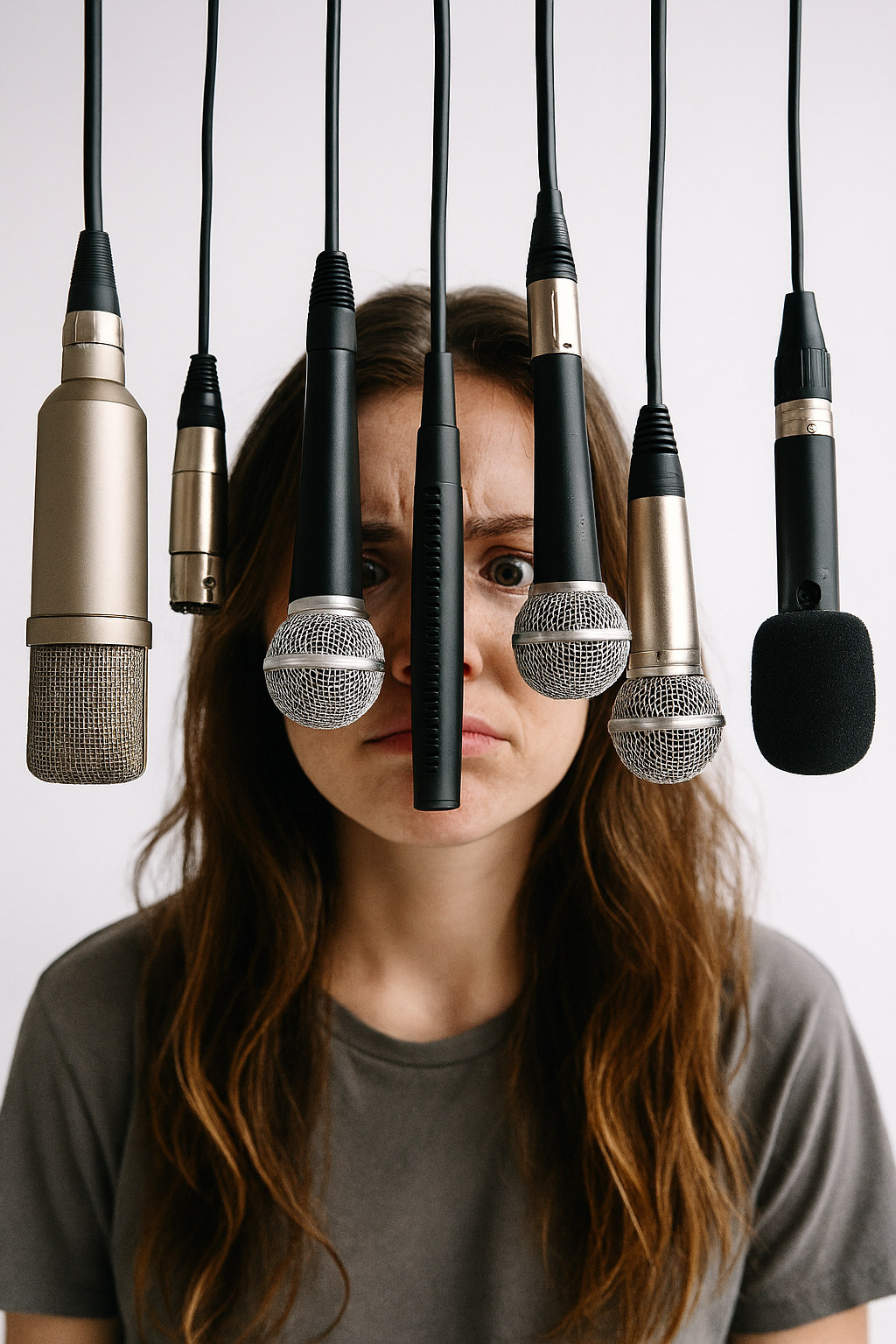
Home studio mic selection involves understanding your space, your budget, and the type of work you want to accomplish. Many people jump straight to buying expensive gear because they see professionals using it, but the reality is that choosing the right microphone starts with understanding what will work best in your environment rather than what looks impressive on a spec sheet.
Your room is the single most important factor when it comes to microphone selection. If your space is untreated or has a lot of reflective surfaces, even the best microphones will capture unwanted echoes and background noise. Before spending money on high end equipment, consider adding basic acoustic treatment such as foam panels, bass traps, or even DIY solutions like thick blankets and rugs. These changes often improve your sound more than a costly microphone upgrade.
When it comes to microphones themselves, there are excellent options at every budget level. Entry level creators often start with large diaphragm condenser microphones because they tend to offer clean, detailed sound at an affordable price. Models like the Rode NT1 are widely respected for their extremely low noise floor and natural tone. The NT1 delivers clarity and warmth that rivals far more expensive microphones, and it has become a favorite for home studios because you get professional results without stretching your budget.
If your recording area is not acoustically treated, you may want to consider a dynamic microphone instead. Dynamic mics are typically less sensitive and do a better job rejecting room noise. The Shure SM7B is a classic example and is commonly used by podcasters, voice over artists, and streamers who record in everyday rooms rather than purpose built studios. It can handle a wide range of voices, minimizes background noise, and provides a smooth broadcast tone that works well for spoken word content.
At the top end of the market is the Neumann U87, which is considered the ultimate microphone for professional voice work. It offers outstanding clarity, presence, and versatility. However, its price puts it firmly into the category of a long term investment rather than something a beginner should rush to buy. For most home users, especially those still building their careers, a microphone like this is not necessary to achieve excellent results.
Another smart consideration is the second hand market. Many high quality microphones age extremely well because they are built to last. Buying used can significantly reduce costs and allow you to access premium equipment for much less money. Just be sure to purchase from reputable sellers and verify the microphone's condition before committing.
Overall, the key is not to overspend before you are established. Your microphone is only part of the chain, and the room you record in has a much greater impact on your audio than most people realize. Start with a microphone that suits your space, invest in basic acoustic treatment, and upgrade gear only when your skills and career justify the cost. With the right approach, even a modest setup can deliver impressive and professional sounding results.
Your room is the single most important factor when it comes to microphone selection. If your space is untreated or has a lot of reflective surfaces, even the best microphones will capture unwanted echoes and background noise. Before spending money on high end equipment, consider adding basic acoustic treatment such as foam panels, bass traps, or even DIY solutions like thick blankets and rugs. These changes often improve your sound more than a costly microphone upgrade.
When it comes to microphones themselves, there are excellent options at every budget level. Entry level creators often start with large diaphragm condenser microphones because they tend to offer clean, detailed sound at an affordable price. Models like the Rode NT1 are widely respected for their extremely low noise floor and natural tone. The NT1 delivers clarity and warmth that rivals far more expensive microphones, and it has become a favorite for home studios because you get professional results without stretching your budget.
If your recording area is not acoustically treated, you may want to consider a dynamic microphone instead. Dynamic mics are typically less sensitive and do a better job rejecting room noise. The Shure SM7B is a classic example and is commonly used by podcasters, voice over artists, and streamers who record in everyday rooms rather than purpose built studios. It can handle a wide range of voices, minimizes background noise, and provides a smooth broadcast tone that works well for spoken word content.
At the top end of the market is the Neumann U87, which is considered the ultimate microphone for professional voice work. It offers outstanding clarity, presence, and versatility. However, its price puts it firmly into the category of a long term investment rather than something a beginner should rush to buy. For most home users, especially those still building their careers, a microphone like this is not necessary to achieve excellent results.
Another smart consideration is the second hand market. Many high quality microphones age extremely well because they are built to last. Buying used can significantly reduce costs and allow you to access premium equipment for much less money. Just be sure to purchase from reputable sellers and verify the microphone's condition before committing.
Overall, the key is not to overspend before you are established. Your microphone is only part of the chain, and the room you record in has a much greater impact on your audio than most people realize. Start with a microphone that suits your space, invest in basic acoustic treatment, and upgrade gear only when your skills and career justify the cost. With the right approach, even a modest setup can deliver impressive and professional sounding results.
You may purchase items mentioned in this article here. Affiliate links earn me a commission at no extra cost to you. Thanks for supporting IanGardner.com