Dynamic vs Condenser Mics
Building a home studio? Understand the differences and uses of dynamic and condenser microphones.
Ian Gardner is a British-American broadcaster, voice artist and audio enthusiast, sharing years of experience building creative workflows from a modern home studio. He helps readers make smarter buying decisions across studio gear, production tools and home comforts for both inside and outside the workspace. Broadcasters, podcasters, voice artists, producers and digital creators will find guidance that supports high production values and efficient workflows for building a successful home studio business. Similar articles can be found in the microphones blog.
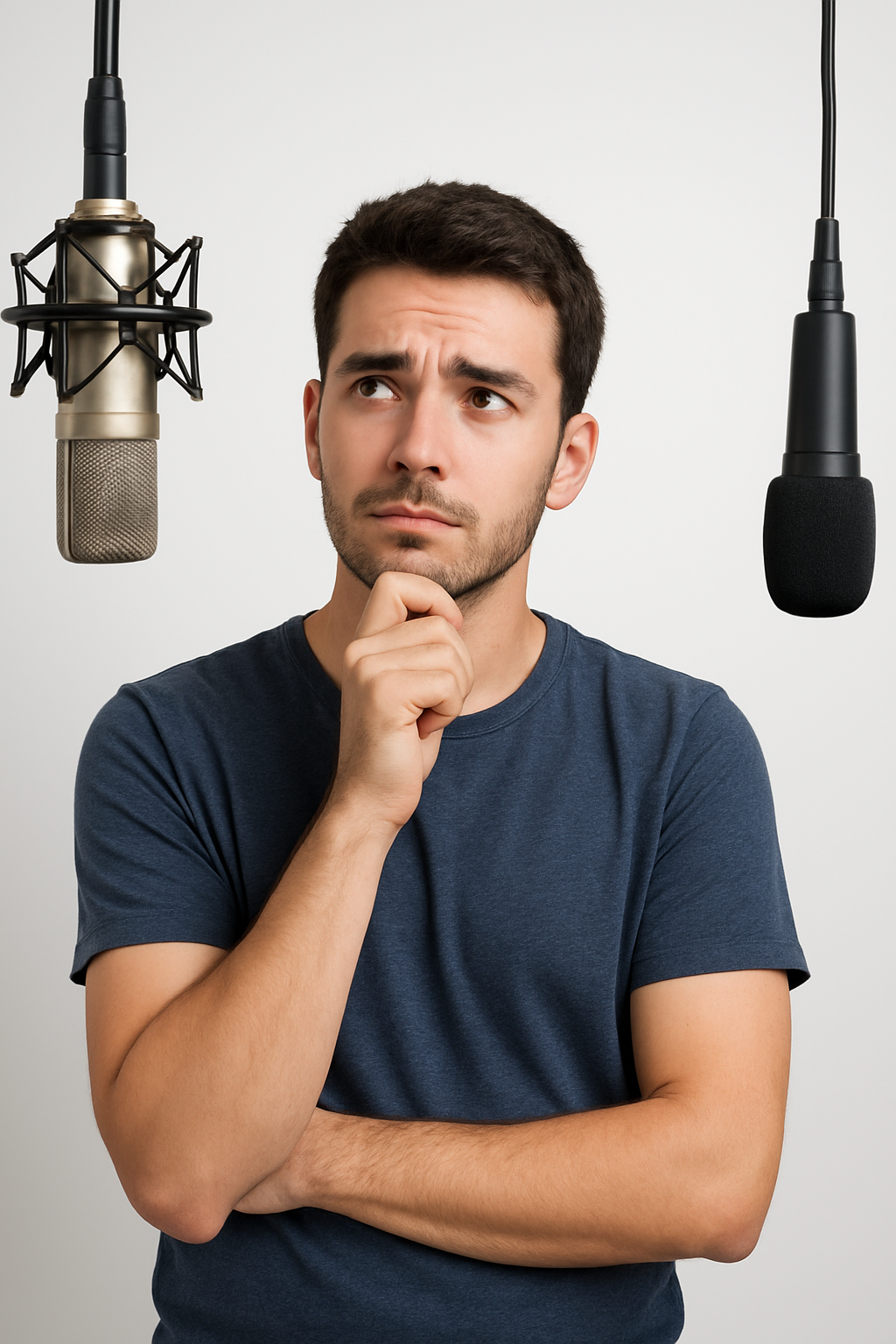
Understanding the difference between dynamic and condenser microphones is essential for anyone building a home studio, recording music, producing voice overs, or creating content. Both types of microphones serve valuable purposes, but they are designed differently and perform best in different situations. Choosing the right one depends on budget, recording environment, and the type of audio you want to capture. Each has strengths and tradeoffs that are worth knowing before you invest in new gear.
Dynamic microphones are built to be rugged, reliable, and able to handle high sound pressure levels without distortion. They work using a moving coil attached to a diaphragm, which reacts to sound waves and generates an electrical signal. This design is durable, which is why dynamic mics are common on stage, in live sound settings, and in home studios that are not fully treated. They are also less sensitive than condenser mics, meaning they pick up less background noise and less room ambience. In a home recording setup where you might hear fans, traffic noise, or reflections in an untreated room, this lower sensitivity can be a significant advantage. Mics like the Shure SM7B and the classic Shure SM58 are highly respected because they deliver a controlled, forgiving sound that works well even in challenging spaces.
Condenser microphones, on the other hand, operate using a lightweight diaphragm and a fixed backplate that form a capacitor. When sound waves hit the diaphragm, the variation in distance between the plates creates changes in the electrical signal. This more sensitive and responsive design gives condenser microphones their signature clarity and detail. They capture the nuances of a voice or instrument with precision, making them ideal for vocals, acoustic instruments, and professional studio recording. However, because they are so sensitive, they require a quiet space and good acoustic treatment to perform at their best. A condenser mic can reveal unwanted room echo, traffic noise, computer hum, or even subtle reflections you did not realise were present. Popular condenser options include the Rode NT1 and Neumann U87.
One of the main differences between the two is the requirement for external power. Condenser microphones need phantom power to operate, usually provided through an audio interface or mixer. Dynamic microphones do not require phantom power, making them simpler to use with basic gear. For beginners or those on a budget, this simplicity can be appealing. It also means dynamic mics are generally more affordable, though there are high end options in both categories.
When choosing between the two types, consider what you plan to record and where you will record it. If your room is not acoustically treated or you live in a noisy environment, a dynamic microphone may give you cleaner and more controlled recordings. They can tame harsh frequencies and reduce unwanted noise, which is why podcasters and streamers often rely on them. Check out Blue Yeti microphones for an easy plug-and-play option. If you have a well treated space and want the most detailed and natural sound possible, a condenser microphone will give you that open, crisp quality that many professionals look for.
Both types have their place, and many creators eventually own one of each. A dynamic mic offers reliability, noise rejection, and versatility in less ideal rooms, while a condenser mic delivers high fidelity sound for polished studio work. Understanding how each one functions and what environment they need will help you choose the right microphone for your workflow, your budget, and your long term recording goals.
Dynamic microphones are built to be rugged, reliable, and able to handle high sound pressure levels without distortion. They work using a moving coil attached to a diaphragm, which reacts to sound waves and generates an electrical signal. This design is durable, which is why dynamic mics are common on stage, in live sound settings, and in home studios that are not fully treated. They are also less sensitive than condenser mics, meaning they pick up less background noise and less room ambience. In a home recording setup where you might hear fans, traffic noise, or reflections in an untreated room, this lower sensitivity can be a significant advantage. Mics like the Shure SM7B and the classic Shure SM58 are highly respected because they deliver a controlled, forgiving sound that works well even in challenging spaces.
Condenser microphones, on the other hand, operate using a lightweight diaphragm and a fixed backplate that form a capacitor. When sound waves hit the diaphragm, the variation in distance between the plates creates changes in the electrical signal. This more sensitive and responsive design gives condenser microphones their signature clarity and detail. They capture the nuances of a voice or instrument with precision, making them ideal for vocals, acoustic instruments, and professional studio recording. However, because they are so sensitive, they require a quiet space and good acoustic treatment to perform at their best. A condenser mic can reveal unwanted room echo, traffic noise, computer hum, or even subtle reflections you did not realise were present. Popular condenser options include the Rode NT1 and Neumann U87.
One of the main differences between the two is the requirement for external power. Condenser microphones need phantom power to operate, usually provided through an audio interface or mixer. Dynamic microphones do not require phantom power, making them simpler to use with basic gear. For beginners or those on a budget, this simplicity can be appealing. It also means dynamic mics are generally more affordable, though there are high end options in both categories.
When choosing between the two types, consider what you plan to record and where you will record it. If your room is not acoustically treated or you live in a noisy environment, a dynamic microphone may give you cleaner and more controlled recordings. They can tame harsh frequencies and reduce unwanted noise, which is why podcasters and streamers often rely on them. Check out Blue Yeti microphones for an easy plug-and-play option. If you have a well treated space and want the most detailed and natural sound possible, a condenser microphone will give you that open, crisp quality that many professionals look for.
Both types have their place, and many creators eventually own one of each. A dynamic mic offers reliability, noise rejection, and versatility in less ideal rooms, while a condenser mic delivers high fidelity sound for polished studio work. Understanding how each one functions and what environment they need will help you choose the right microphone for your workflow, your budget, and your long term recording goals.
You may purchase items mentioned in this article here. Affiliate links earn me a commission at no extra cost to you. Thanks for supporting IanGardner.com