ASMR Microphones for your Home Studio
Explore the best microphones to capture taps and tingles your audience will love.
Ian Gardner is a British-American broadcaster, voice artist and audio enthusiast, sharing years of experience building creative workflows from a modern home studio. He helps readers make smarter buying decisions across studio gear, production tools and home comforts for both inside and outside the workspace. Broadcasters, podcasters, voice artists, producers and digital creators will find guidance that supports high production values and efficient workflows for building a successful home studio business. Similar articles can be found in the microphones blog.
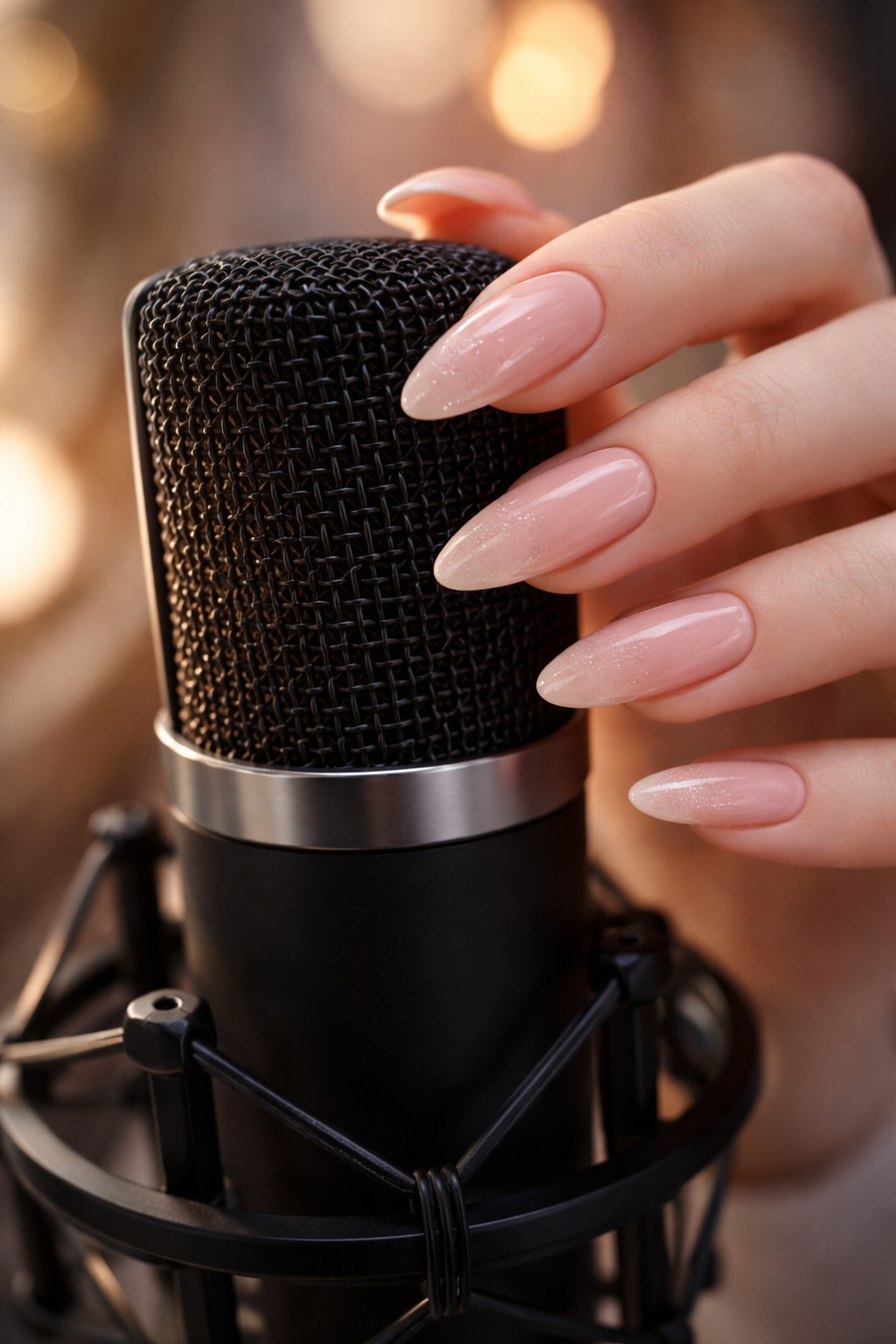
If you've ever found yourself watching someone tap on a glass, crinkle paper, or whisper softly into a microphone and felt a strange but delightful shiver run down your spine - congratulations, you've experienced ASMR. Autonomous Sensory Meridian Response, or ASMR for short, is that oddly satisfying tingling sensation that usually starts on the scalp and moves down the back of the neck. People can get hooked on these sounds for relaxation, focus, or just pure enjoyment - it's like your brain's way of saying 'thank you' for paying attention to the tiny details. The clicks, whispers, and subtle sounds create a sensory experience that can be strangely addictive, and the reason ASMR has exploded in popularity is simple - it works. In a world full of noise, stress, and constant notifications, ASMR is a portable escape, a mini massage for your mind.
So how does one capture these delicate sounds for YouTube, TikTok, or a personal home studio? The secret lies in the microphone - the unsung hero that turns a soft whisper into a shiver-inducing experience. Not just any mic will do. You need something sensitive enough to pick up the tiniest noises without adding static or muffled sound. Condenser microphones are often the go-to choice for ASMR creators because they capture detail like a magnifying glass for your ears. Their high sensitivity and wide frequency response mean that every brush of a brush, tap of a nail, or rustle of paper comes through crystal clear.
Many creators swear by stereo mics or binaural setups for ASMR. Binaural microphones are designed to mimic human hearing, which makes the listener feel like the sounds are happening all around them. It's what turns a simple whisper into a 3D audio experience. One popular setup is using two small omnidirectional mics placed inside a dummy head - when you listen through headphones, it's like the whisper is right next to your ear. For creators starting out, even a single high-quality condenser mic like the Rode NT1 or the Audio-Technica AT2020 can capture enough detail to give listeners tingles. Pair it with a quiet room and some good technique, and you've got ASMR gold.
You might be wondering why people are so drawn to these soft, often repetitive sounds. ASMR is part psychology, part sensory experience. Listening to gentle sounds triggers relaxation, lowers heart rate, and can even improve mood. It's similar to the way a lullaby calms a baby, except this time it's for adults. Some fans even use ASMR as a sleep aid - those gentle taps, whispers, and crinkles can be the perfect background for drifting off without the distractions of everyday life. There's a reason ASMR videos have millions of views - it's addictive in the best way, like chocolate for your ears.
Creating a home ASMR setup doesn't have to be complicated. Start with a quiet space and a microphone that suits your budget and style. For whisper-heavy ASMR, large-diaphragm condenser mics like the Rode NT1 or the Blue Yeti shine. For tapping, crinkling, or immersive stereo experiences, consider options like the 3Dio FS binaural microphone which mimics human hearing to create 3D depth. Remember, mic placement matters just as much as the microphone itself - closer usually means more detail, but you don't want distortion, so experiment with distance. A pop filter or foam cover can help smooth harsh plosives while still letting every delicate sound through.
One fun trick some creators use is layering multiple microphones to capture different textures simultaneously. You could have a stereo pair for broad ambient sounds and a close mic for whispers and delicate taps. This lets you mix and match during post-production, enhancing the tingles your listeners crave. ASMR is as much about creativity as it is about technique - no two creators sound exactly alike, which is part of the appeal.
In the end, it's all about making your listeners feel something. ASMR is not just a hobby it's a craft of sound, mood, and sensory magic. The right microphone will help you capture the clicks, whispers, and subtle noises that give people that addictive tingle. Whether you're a budding ASMRtist or just curious about the phenomenon, investing in a microphone designed for detail is the first step to turning your home studio into a tingling sound sanctuary. So whisper, tap, crinkle, and record - your audience is waiting for the shivers.
ASMR Microphone Roundup:
Beginner Friendly: Blue Yeti - affordable, plug-and-play, and captures whispers and taps with ease.
Intermediate: Rode NT1 - quiet, detailed, and perfect for sensitive ASMR recordings in a home studio.
Advanced: Neumann U87Ai Set Z Multi-Pattern Condenser Microphone - legendary large-diaphragm condenser with omni, cardioid, and figure-8 polar patterns, delivering ultra-clear, balanced sound ideal for capturing every whisper and click.
Portable Option: AT 2020 - affordable, versatile, and great for detailed ASMR recording in smaller home studios.
Each of these mics has its own strengths, so experiment and find the one that makes your listeners tingle the most. Your ASMR journey starts with a whisper and a click, but the right mic brings it to life.
So how does one capture these delicate sounds for YouTube, TikTok, or a personal home studio? The secret lies in the microphone - the unsung hero that turns a soft whisper into a shiver-inducing experience. Not just any mic will do. You need something sensitive enough to pick up the tiniest noises without adding static or muffled sound. Condenser microphones are often the go-to choice for ASMR creators because they capture detail like a magnifying glass for your ears. Their high sensitivity and wide frequency response mean that every brush of a brush, tap of a nail, or rustle of paper comes through crystal clear.
Many creators swear by stereo mics or binaural setups for ASMR. Binaural microphones are designed to mimic human hearing, which makes the listener feel like the sounds are happening all around them. It's what turns a simple whisper into a 3D audio experience. One popular setup is using two small omnidirectional mics placed inside a dummy head - when you listen through headphones, it's like the whisper is right next to your ear. For creators starting out, even a single high-quality condenser mic like the Rode NT1 or the Audio-Technica AT2020 can capture enough detail to give listeners tingles. Pair it with a quiet room and some good technique, and you've got ASMR gold.
You might be wondering why people are so drawn to these soft, often repetitive sounds. ASMR is part psychology, part sensory experience. Listening to gentle sounds triggers relaxation, lowers heart rate, and can even improve mood. It's similar to the way a lullaby calms a baby, except this time it's for adults. Some fans even use ASMR as a sleep aid - those gentle taps, whispers, and crinkles can be the perfect background for drifting off without the distractions of everyday life. There's a reason ASMR videos have millions of views - it's addictive in the best way, like chocolate for your ears.
Creating a home ASMR setup doesn't have to be complicated. Start with a quiet space and a microphone that suits your budget and style. For whisper-heavy ASMR, large-diaphragm condenser mics like the Rode NT1 or the Blue Yeti shine. For tapping, crinkling, or immersive stereo experiences, consider options like the 3Dio FS binaural microphone which mimics human hearing to create 3D depth. Remember, mic placement matters just as much as the microphone itself - closer usually means more detail, but you don't want distortion, so experiment with distance. A pop filter or foam cover can help smooth harsh plosives while still letting every delicate sound through.
One fun trick some creators use is layering multiple microphones to capture different textures simultaneously. You could have a stereo pair for broad ambient sounds and a close mic for whispers and delicate taps. This lets you mix and match during post-production, enhancing the tingles your listeners crave. ASMR is as much about creativity as it is about technique - no two creators sound exactly alike, which is part of the appeal.
In the end, it's all about making your listeners feel something. ASMR is not just a hobby it's a craft of sound, mood, and sensory magic. The right microphone will help you capture the clicks, whispers, and subtle noises that give people that addictive tingle. Whether you're a budding ASMRtist or just curious about the phenomenon, investing in a microphone designed for detail is the first step to turning your home studio into a tingling sound sanctuary. So whisper, tap, crinkle, and record - your audience is waiting for the shivers.
ASMR Microphone Roundup:
Beginner Friendly: Blue Yeti - affordable, plug-and-play, and captures whispers and taps with ease.
Intermediate: Rode NT1 - quiet, detailed, and perfect for sensitive ASMR recordings in a home studio.
Advanced: Neumann U87Ai Set Z Multi-Pattern Condenser Microphone - legendary large-diaphragm condenser with omni, cardioid, and figure-8 polar patterns, delivering ultra-clear, balanced sound ideal for capturing every whisper and click.
Portable Option: AT 2020 - affordable, versatile, and great for detailed ASMR recording in smaller home studios.
Each of these mics has its own strengths, so experiment and find the one that makes your listeners tingle the most. Your ASMR journey starts with a whisper and a click, but the right mic brings it to life.
You may purchase items mentioned in this article here. Affiliate links earn me a commission at no extra cost to you. Thanks for supporting IanGardner.com